

Tradition is Continuing Innovation – Shaping the Future of Japanese Umbrellas | Hiyoshiya, Kotaro Nishibori 〈Kyo-Wagasa〉
Hiyoshiya is a Kyoto wagasa (umbrella) manufacturer for fifth generation since Edo period
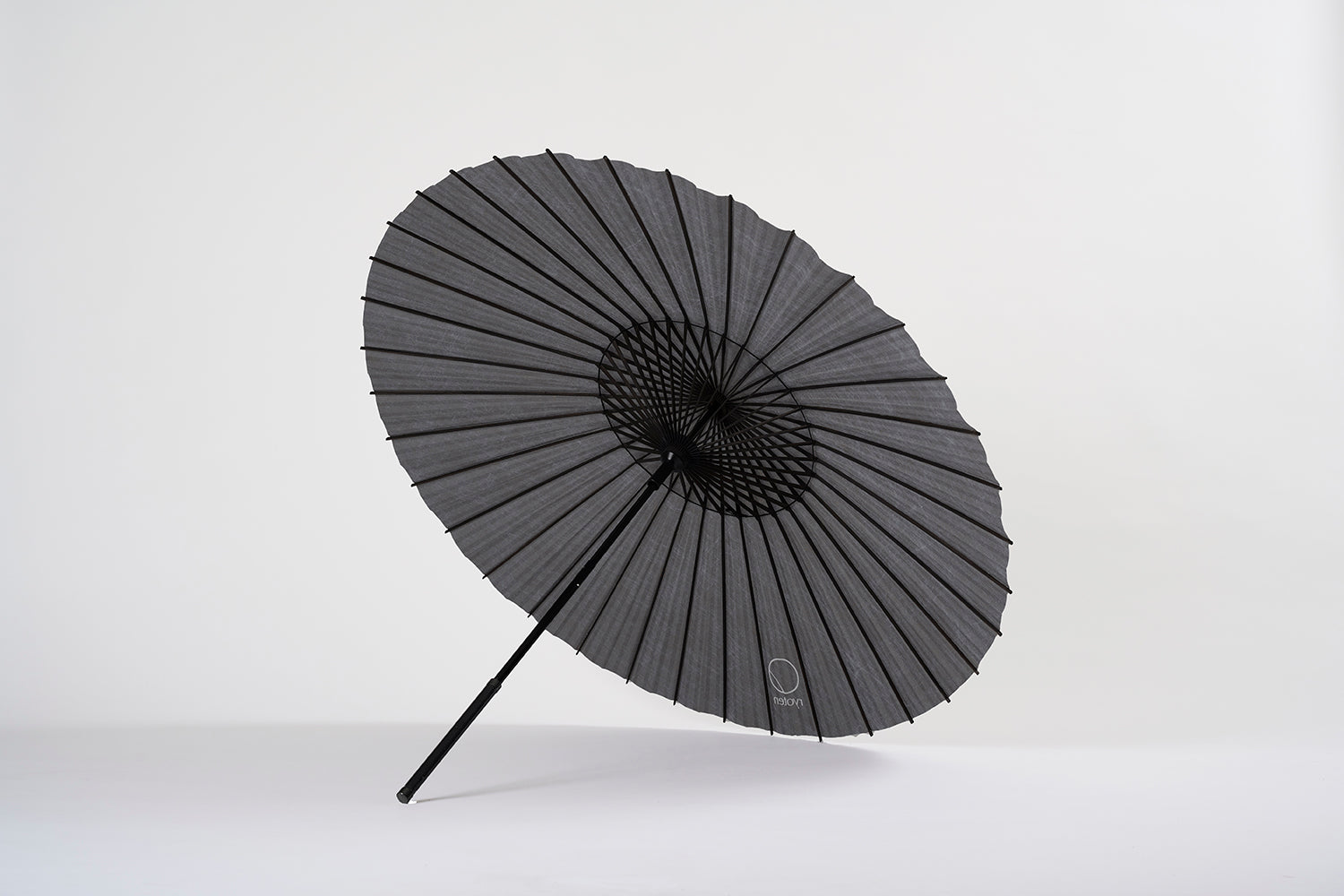
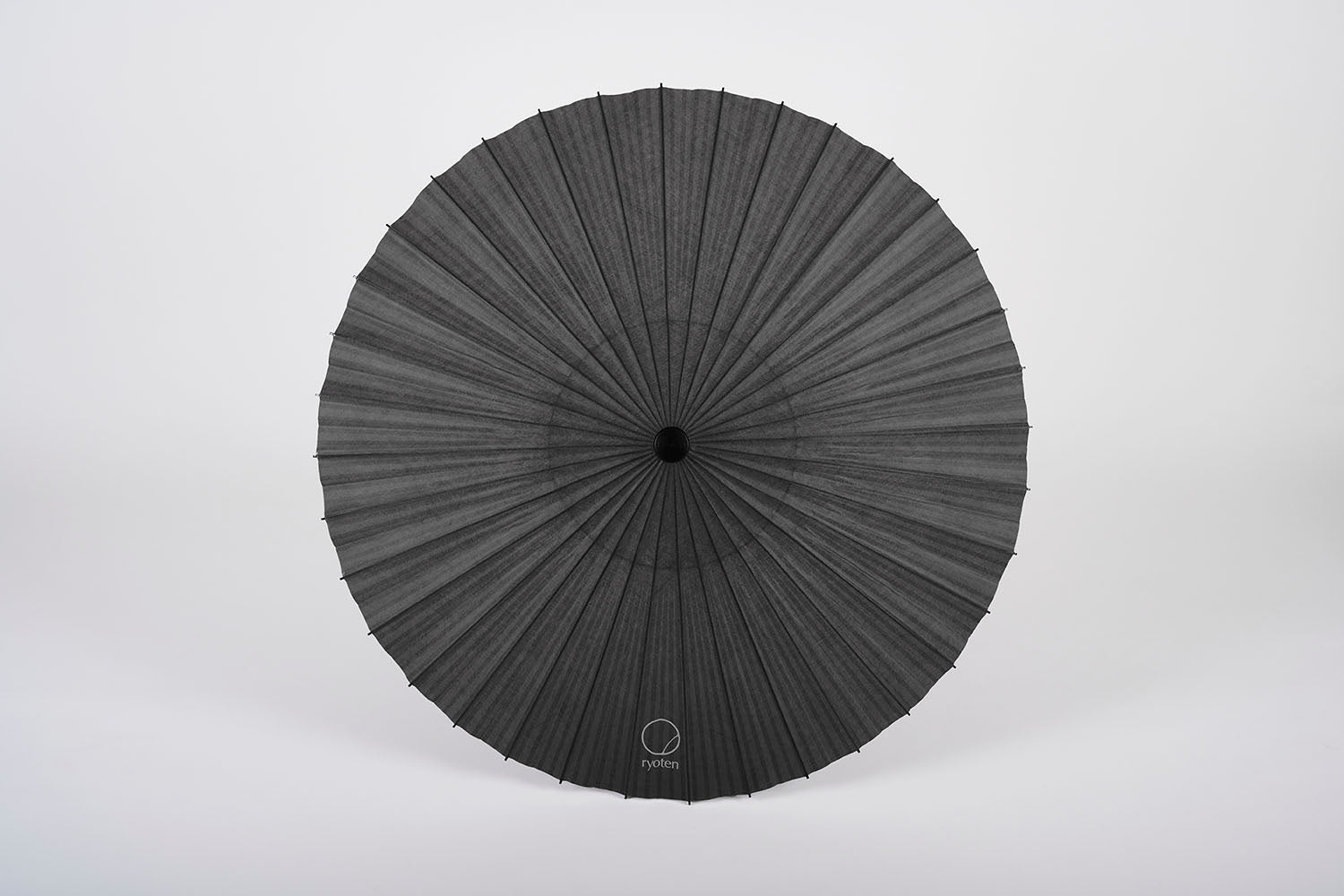
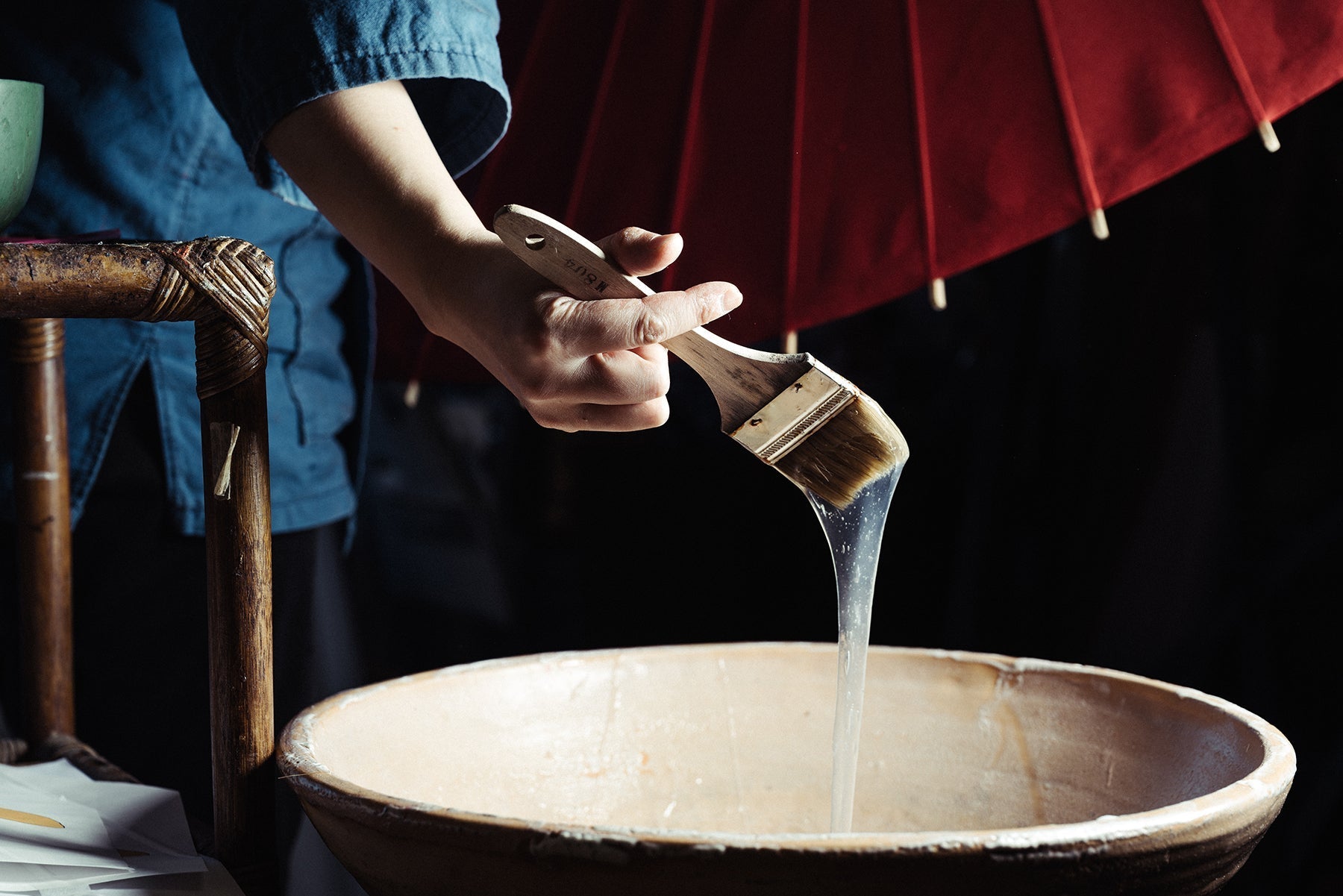
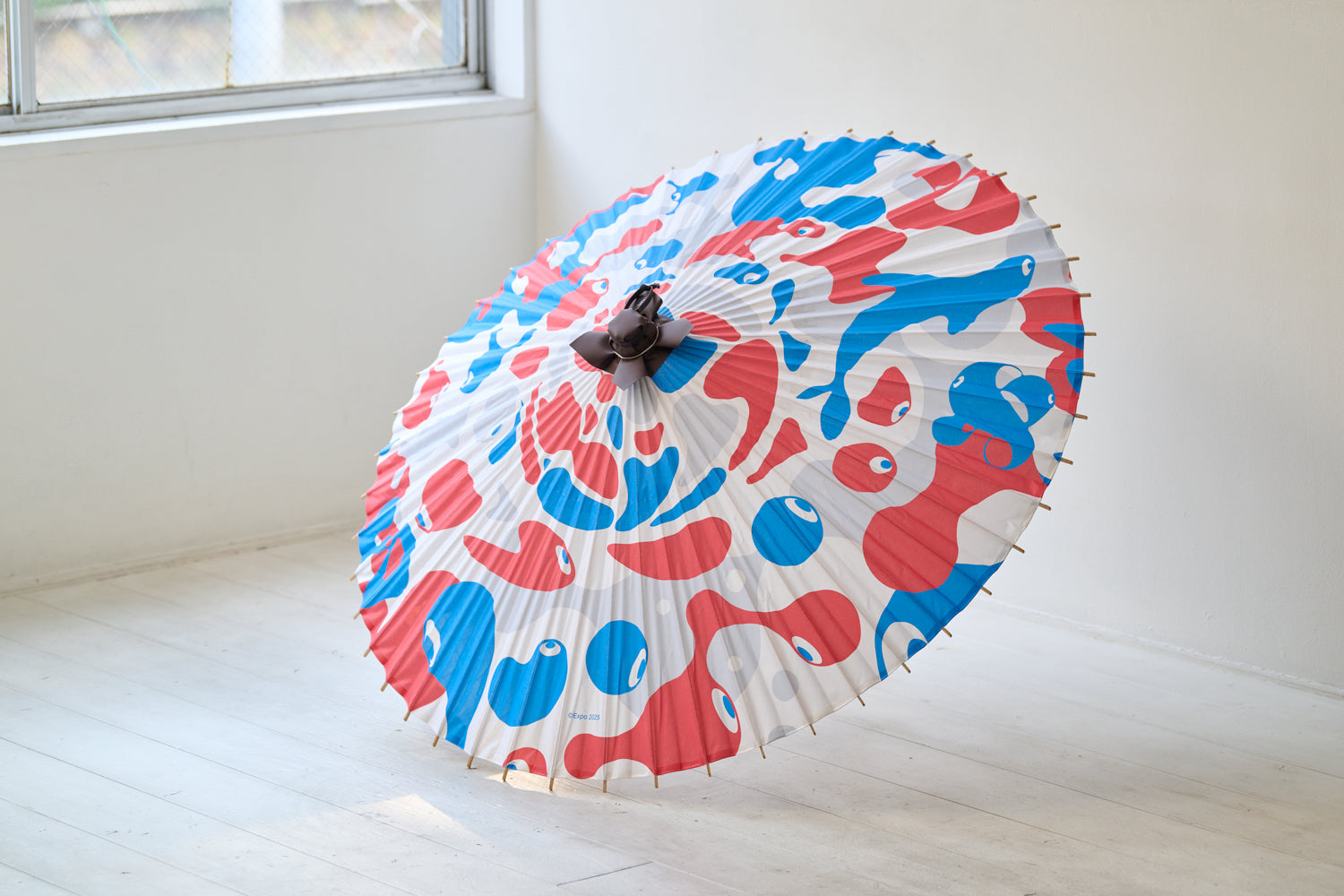
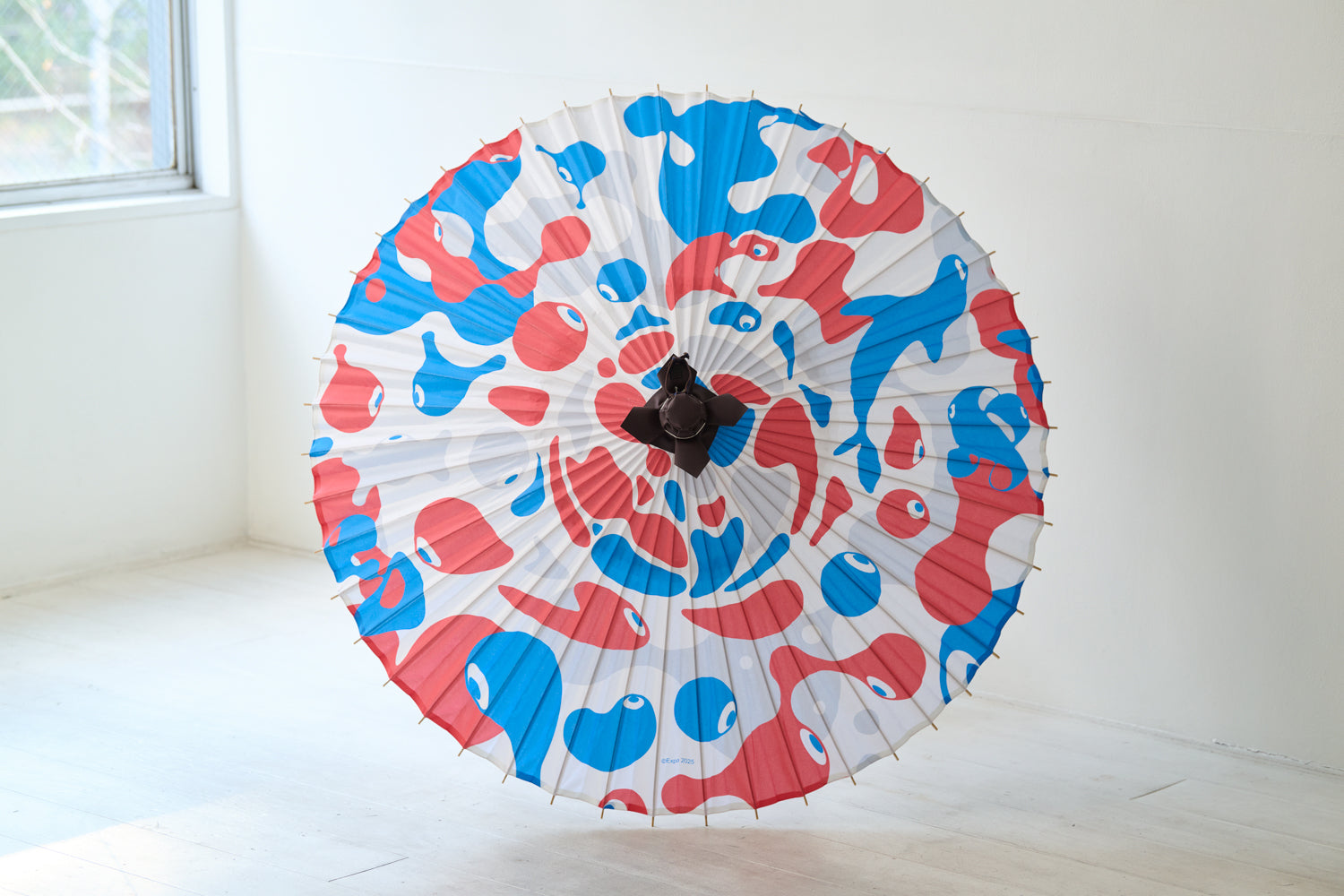
Bangasa and janome-gasa umbrellas were once indispensable everyday objects. Today, the large umbrellas are used in Japanese Kabuki, traditional performing arts, or during tea ceremonies. We can also see the wagasa as ornamental objects in shrines and temples. In many Ukiyoe prints, the wagasa umbrellas is drawn to describe unique Japanese seasonal scenery.
As the only manufacturer of Wagasa left in Kyoto, Hiyoshiya keeps making traditional wagasa umbrellas for 160 years.

Kotaro Nishibori, who grew up in a world far from traditional crafts, became the head of Hiyoshiya in 2003. After graduating from high school, Kotaro spent a year studying in Canada, and then worked as a local government official in Wakayama prefecture. His life took a drastic turn when he discovered his wife’s family business, and the manufacturing of wagasa, the traditional Japanese umbrellas. He was moved by the work behind such a beautiful object and feared this craftsmanship would disappear. He decided to join the family business to support the long established Hiyoshiya workshop. He started learning the traditional techniques of wagasa making, and became a craftsman himself. Thanks to his strong determination he succeeded in reviving the company’s activity.
Making the most of Wagasa craftsmanship through collaborations with designers
Although online shopping helped the family business to have more visibility, it did not make Wagasa future any brighter. Wagasa umbrellas are so long-lasting that "once you buy one, it will last a lifetime," but with our western lifestyle, the number of wagasa users is more and more decreasing. Even if they are beautifully crafted, compared to Western-style umbrellas, the wagasa are heavier, bulkier, and less maneuverable.
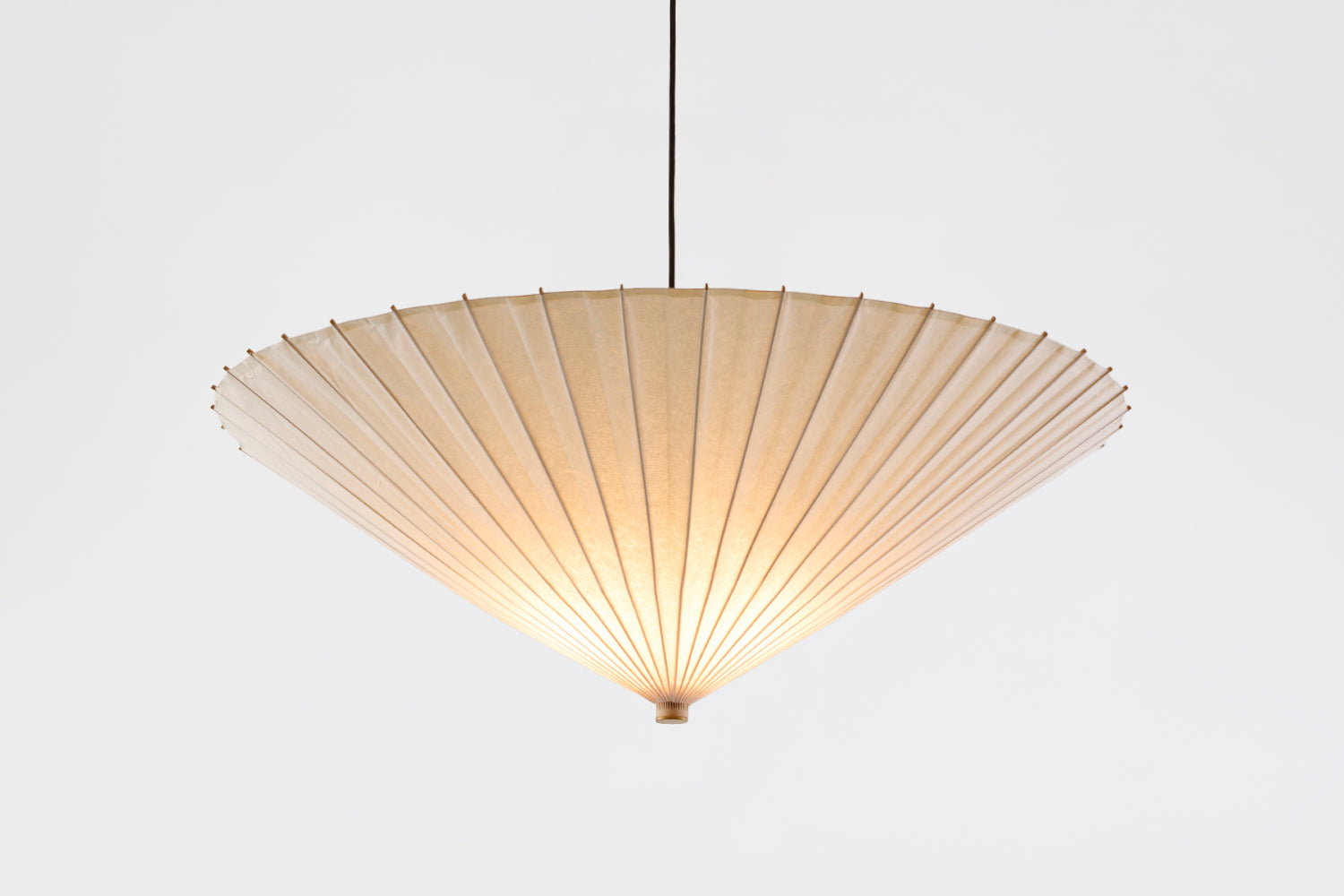
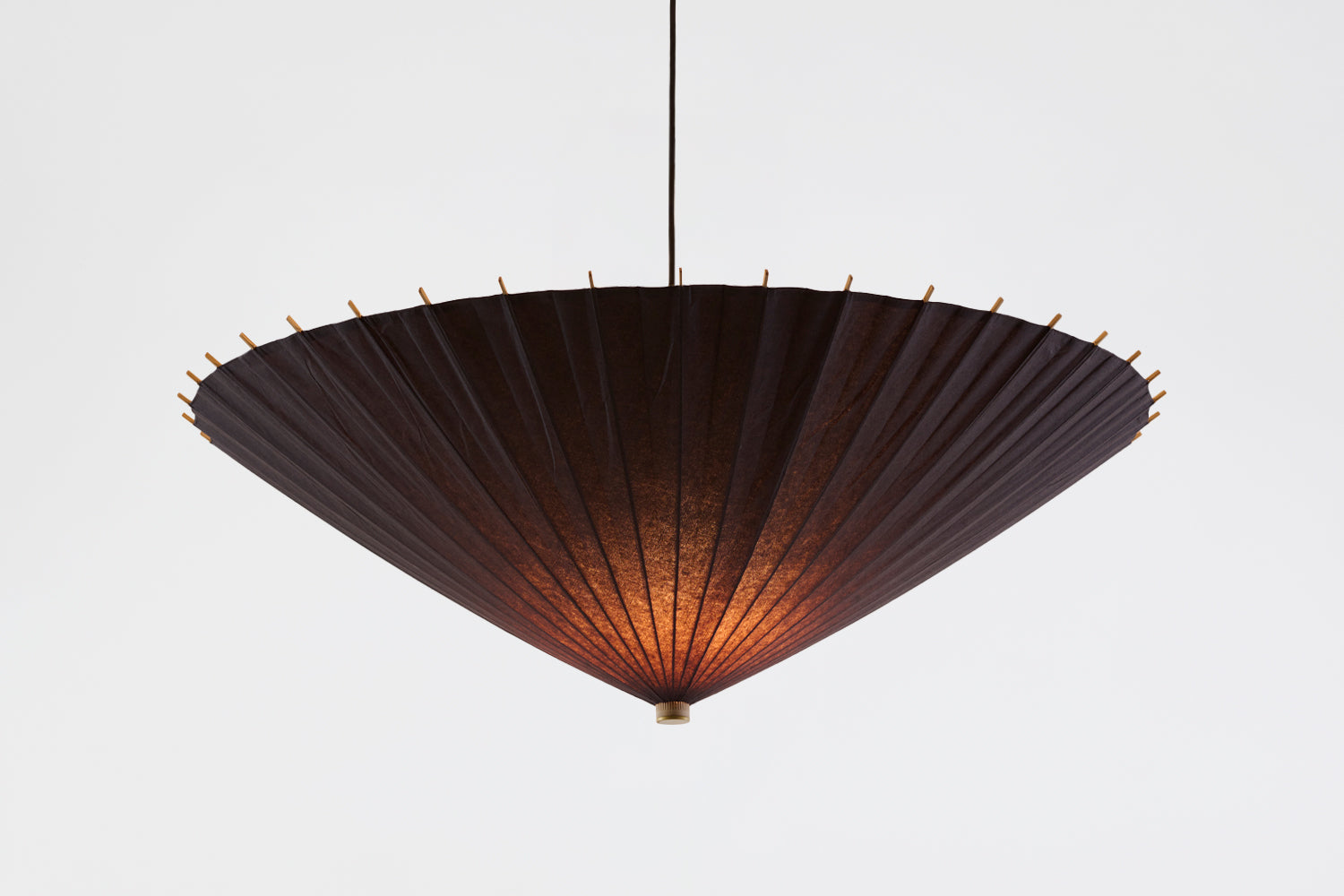
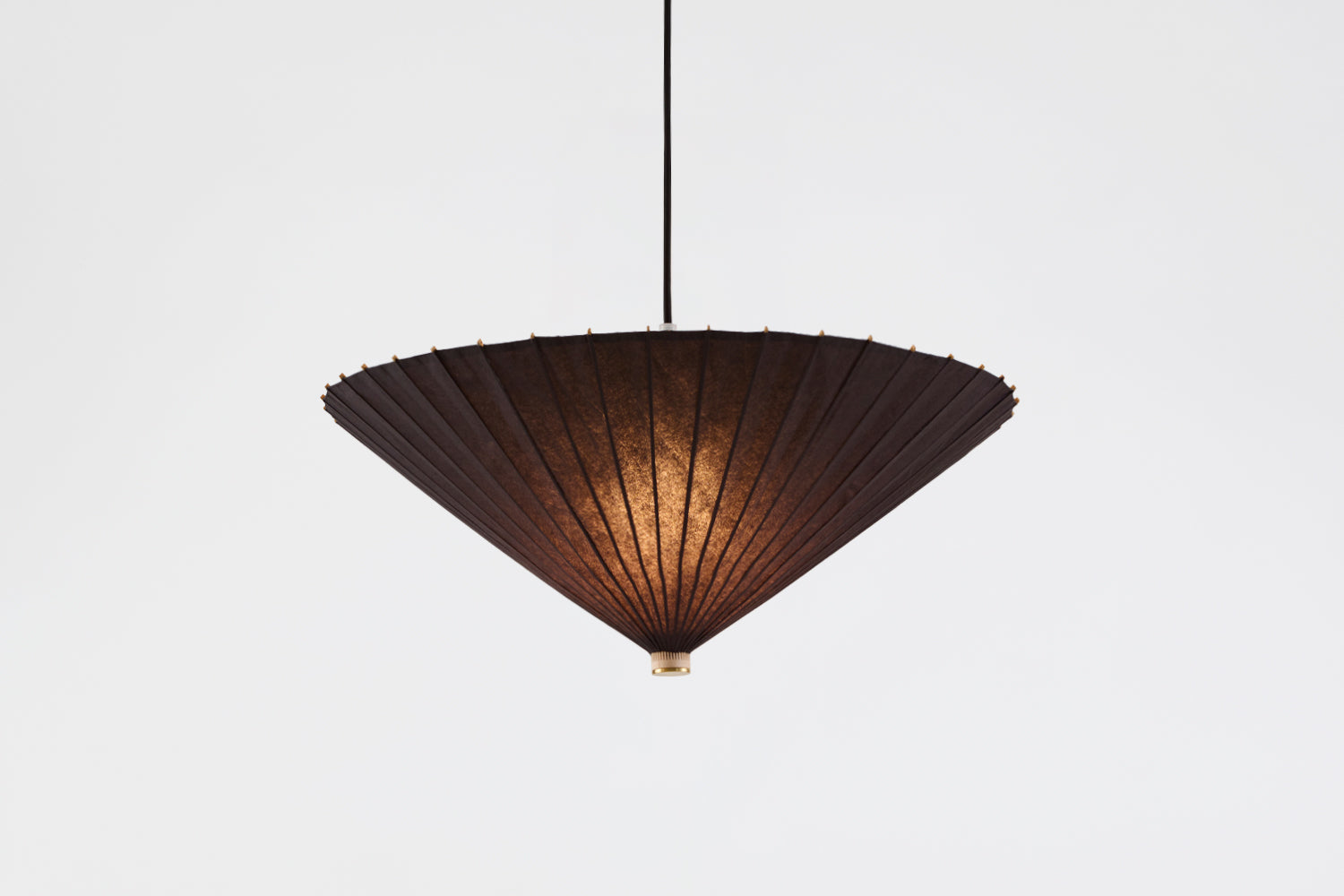
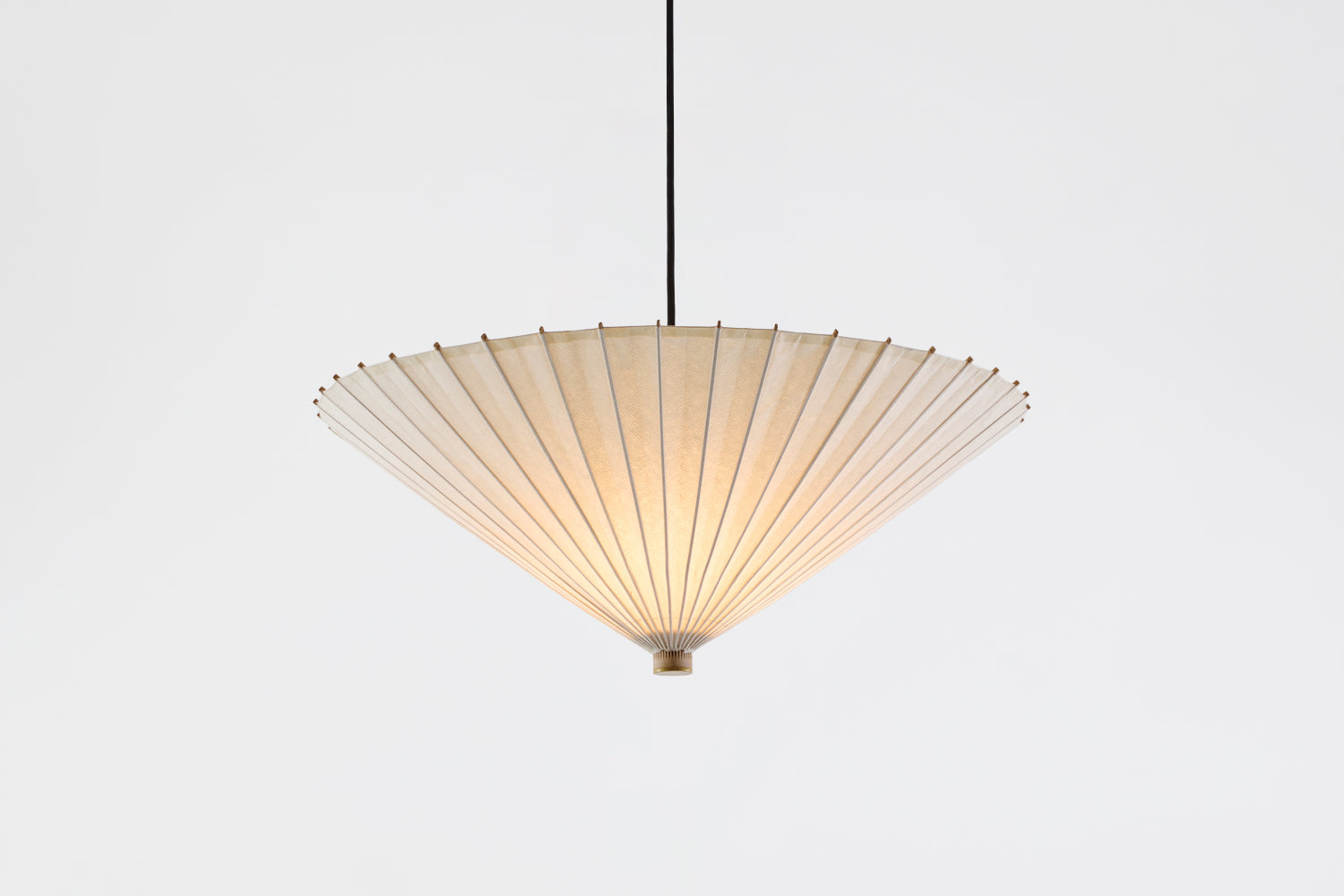
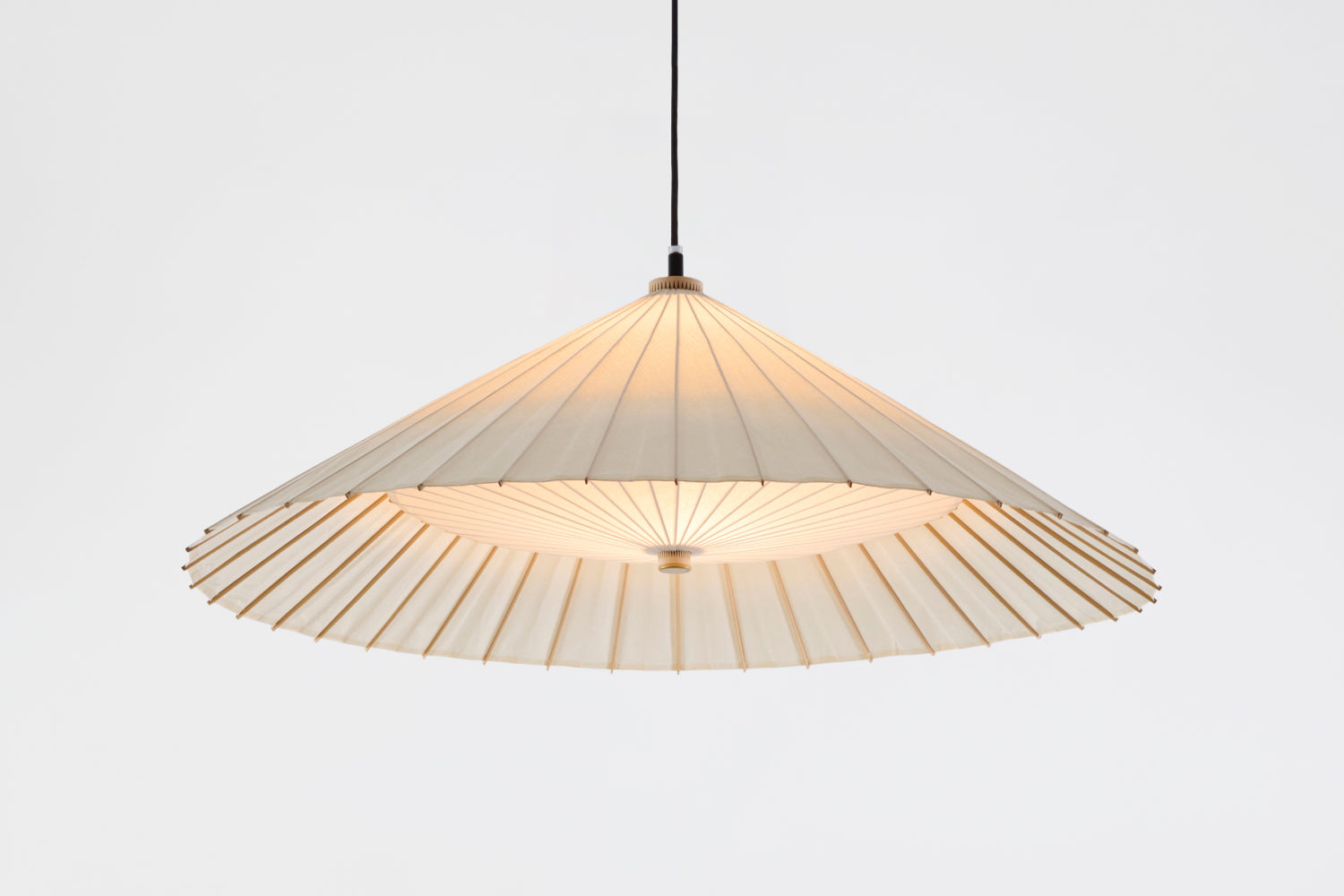
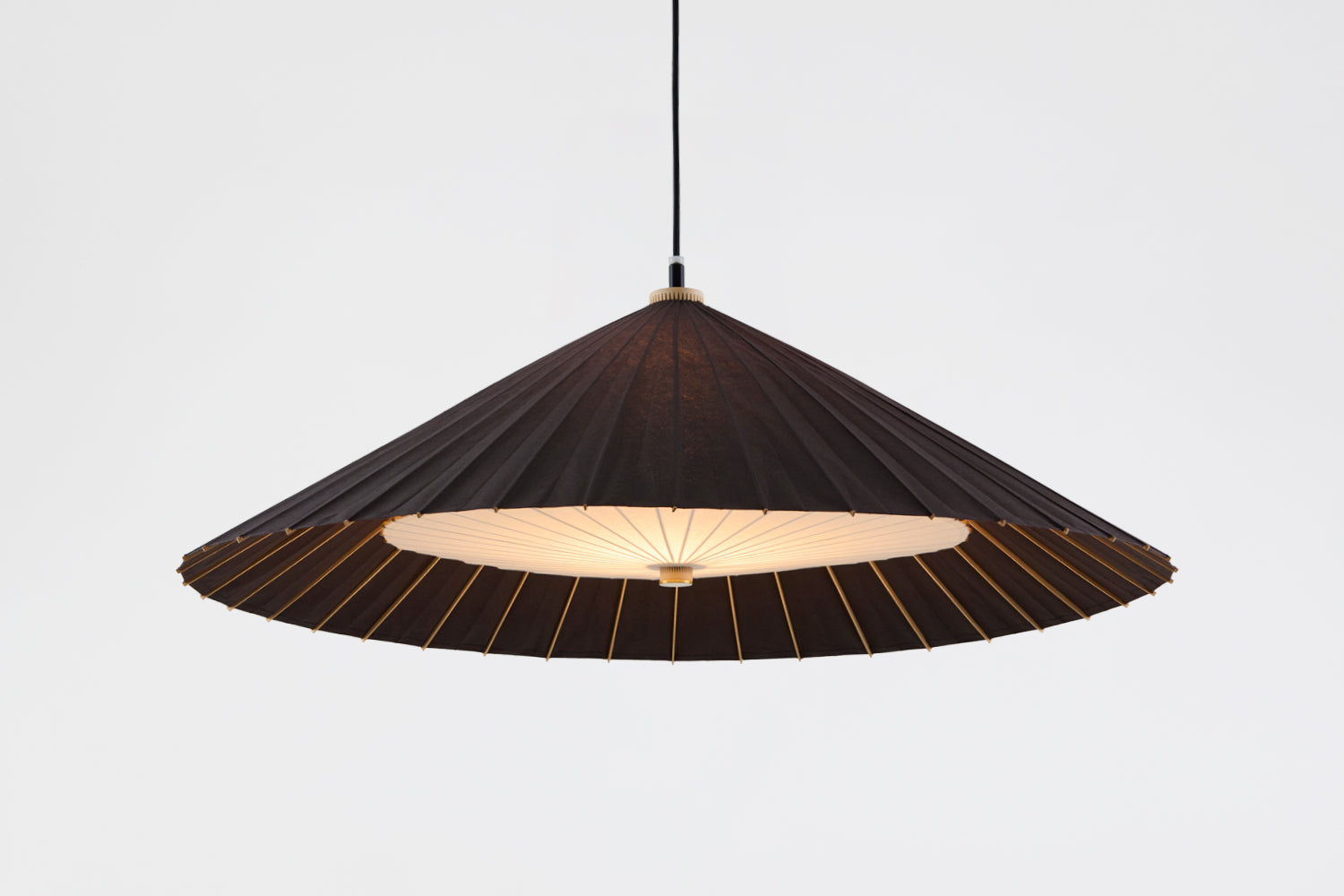
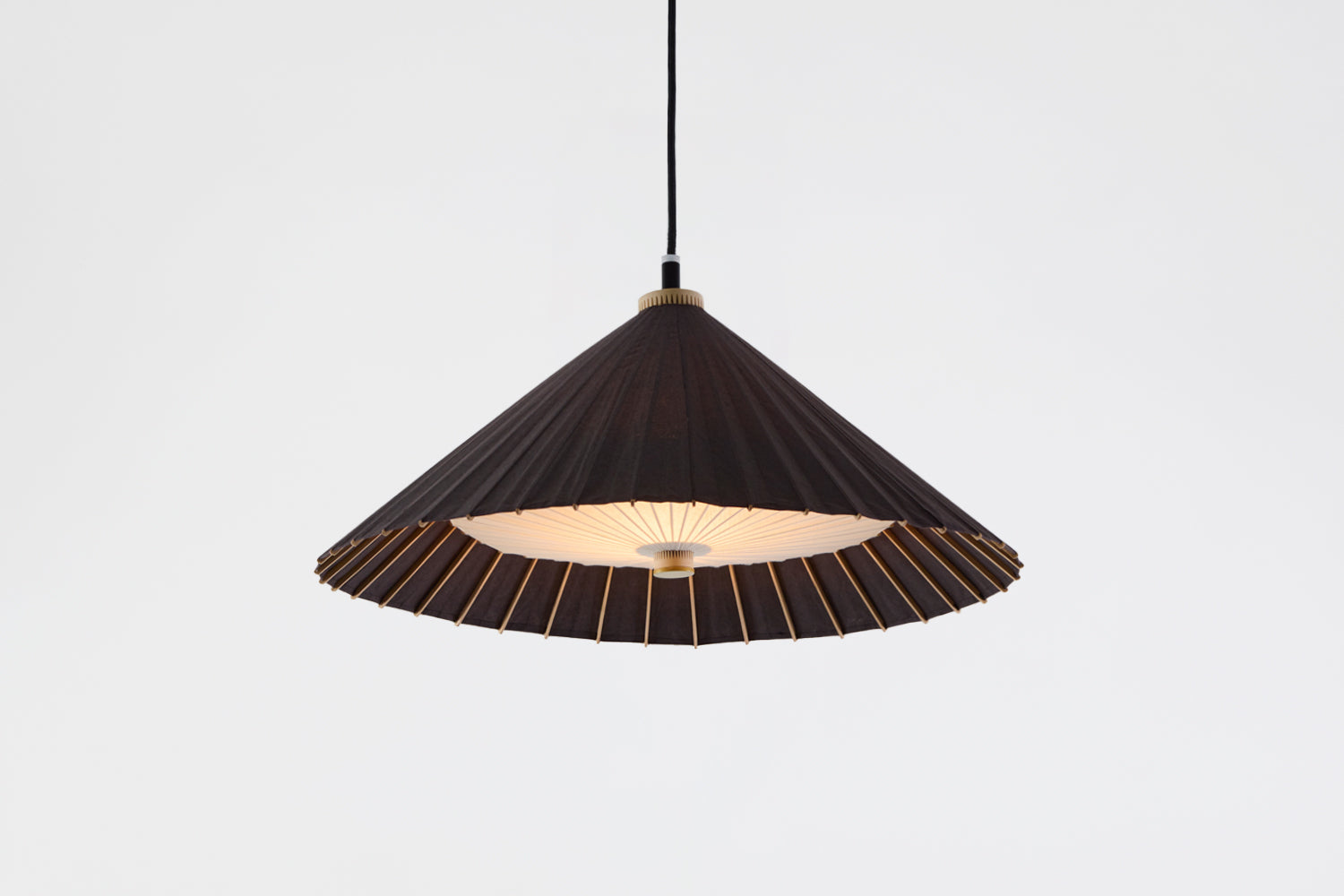
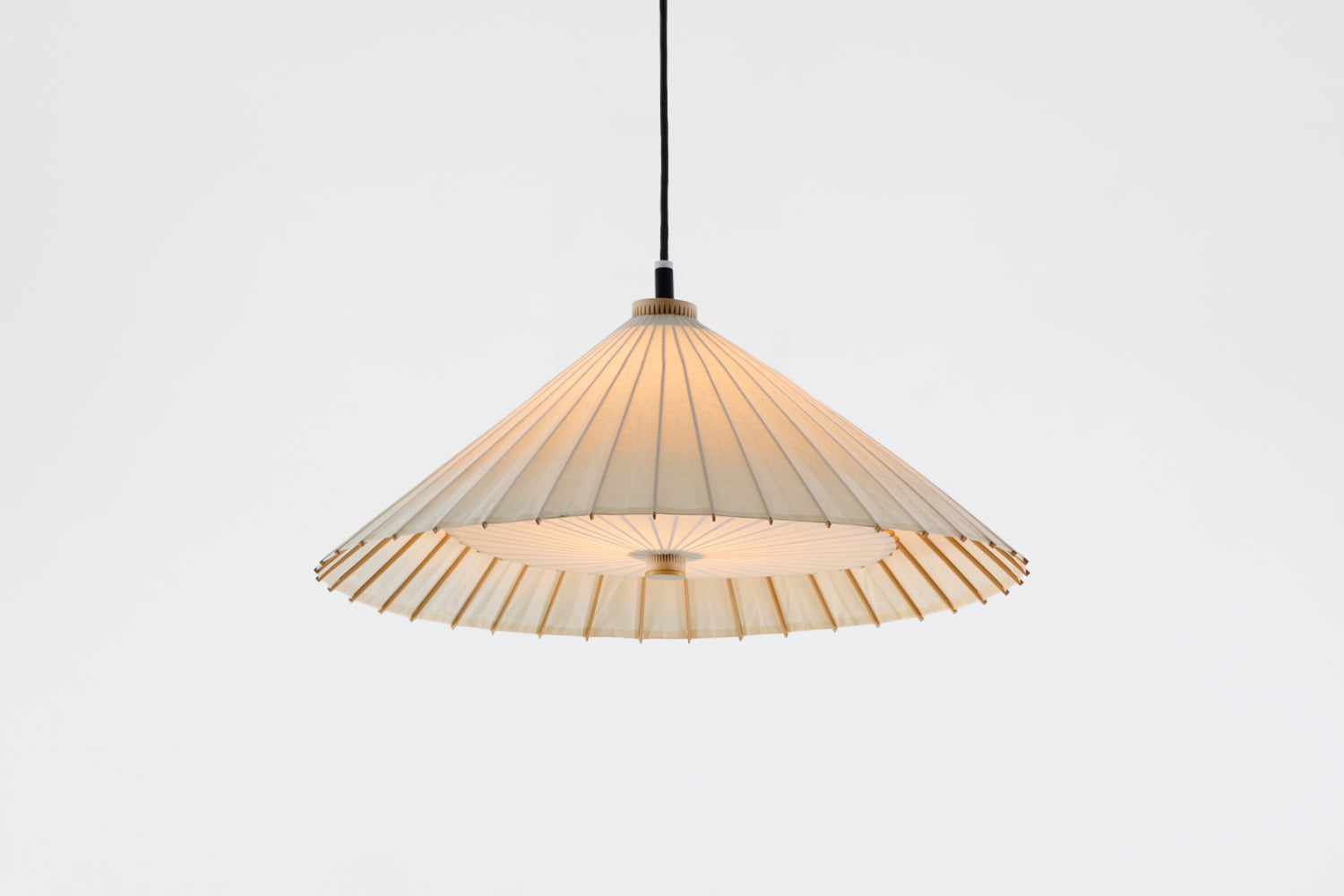
One day, while he was making Japanese umbrellas with these worries in mind, Nishibori was drying his oiled umbrellas in the sun as usual. When he saw the sunlight softly pouring down through the handmade Japanese paper of the umbrellas, he felt a serene beauty and came up with the idea of converting the Japanese umbrella into a lighting source.
At first, Nishibori worked on the prototype by himself, but when he realized that he could not freely create without having in mind all the Japanese umbrella craftsmanship he learnt, he decided to ask for help from a professional designer. Hiroshi Nagane, a lighting designer, suggested few adjustments on the Japanese umbrella core structure and the shape itself to fit modern interior spaces. As a craftsman, Kotaro insisted on keeping the wagasa mechanism, something that could open and close like his umbrellas. In 2006, two years after the start of the project, the design lighting "KOTORI" was born. In 2008, the product was exhibited at international exhibitions in France and Germany, gaining more and more popularity.

"Tradition is continuing innovation”
Committed to build strong relationships between craftsmen.
Thanks to his international experience, Hiyoshiya developed the "KOTORI" lamp. They began creating products with a modern look thanks to their network of buyers and designers. In 2012, Nishibori began to support other traditional craftspeople in their efforts to expand their business overseas, drawing on this experience. As a craftsman himself, Nishibori understands the thinking of craftspeople and the hurdles they face.
Japan is home to many wonderful traditional crafts that we would be glad to share to the world. Behind these crafts are highly motivated and skilled artisans. However, our changing lifestyles combining with the lack of people able to take over traditional workshops have been challenging the crafts industry in Japan. The future will be difficult if we remain in the Japanese market alone. That’s the reason why Kotaro wanted to support Japanese artisans, encouraging them to challenge themselves with collaboration, innovation with the outside world. While using and making the most of the artisans skills, Hiyoshiya could train young people to become artisans thanks to the success of the Kotori lamps. The workshop is now thriving, as if the quiet atmosphere it once had was a lie.


"Tradition is continuing innovation”
This is the philosophy behind more than 700 manufacturing companies that Hiyoshiya has supported so far with Hiyoshiya Craft Lab team. The team worked with Japanese manufacturers, designers and buyers from all over the world to showcase Japanese contemporary design crafts.
We hope you will enjoy the stories of these craftspeople.
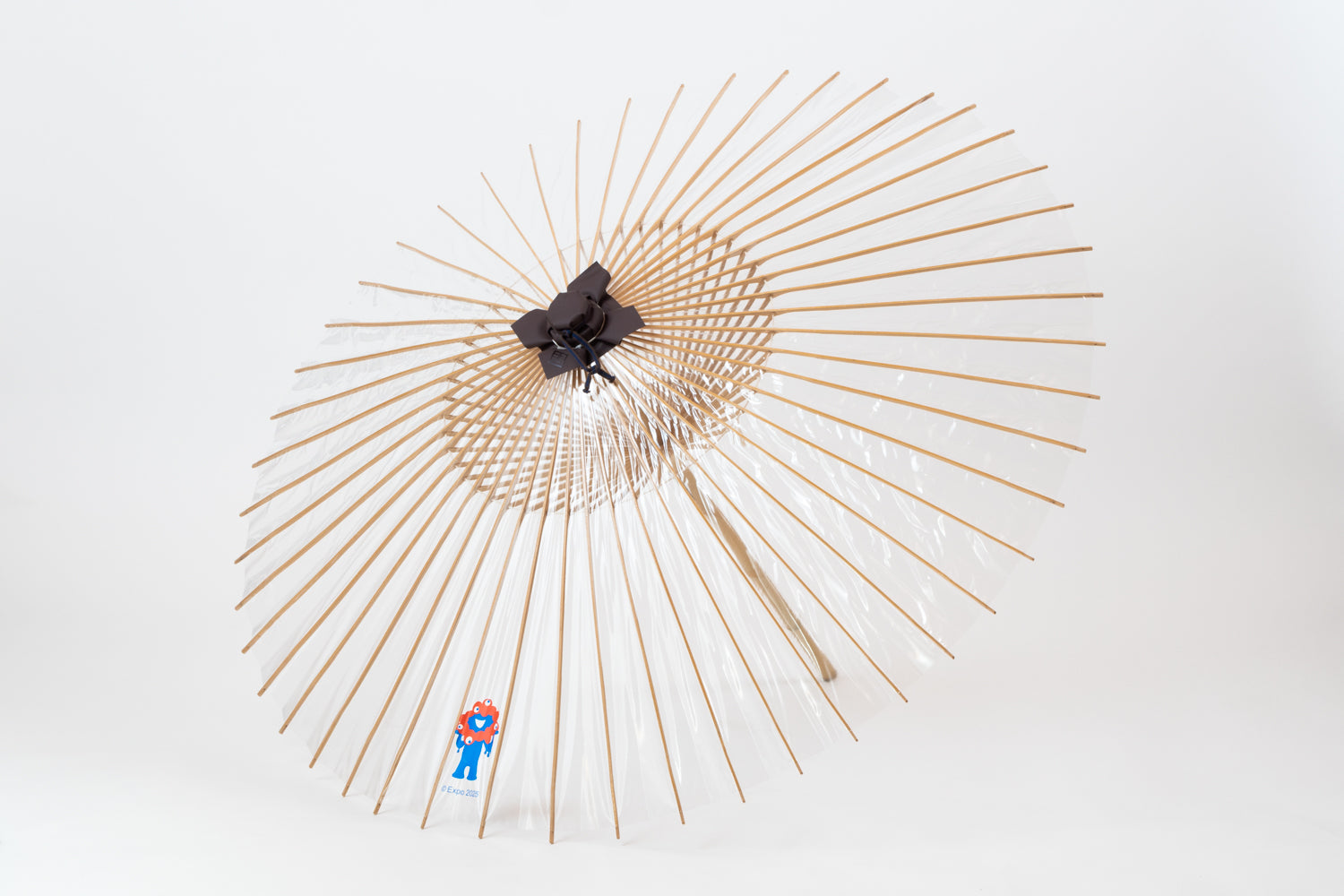
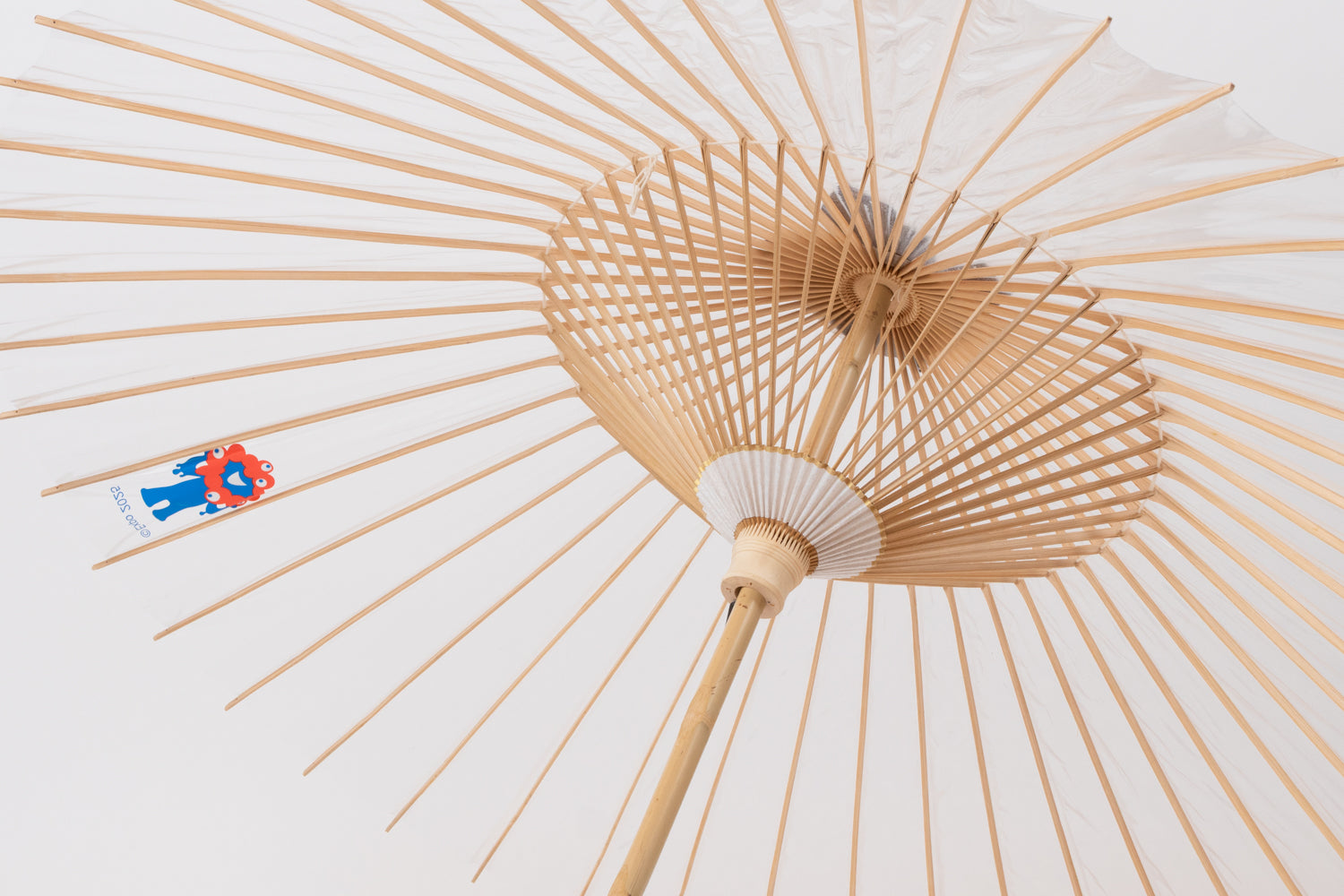
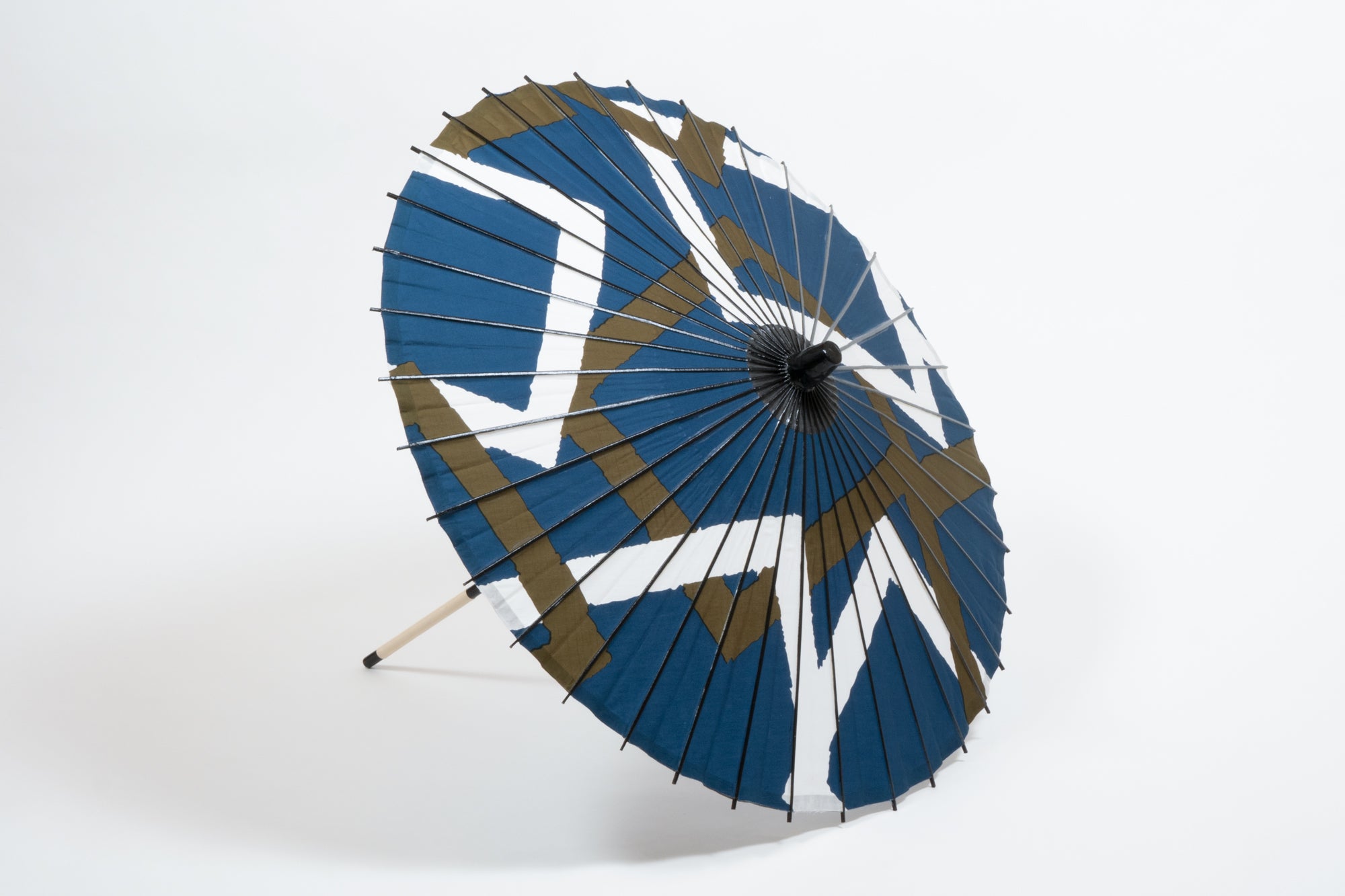
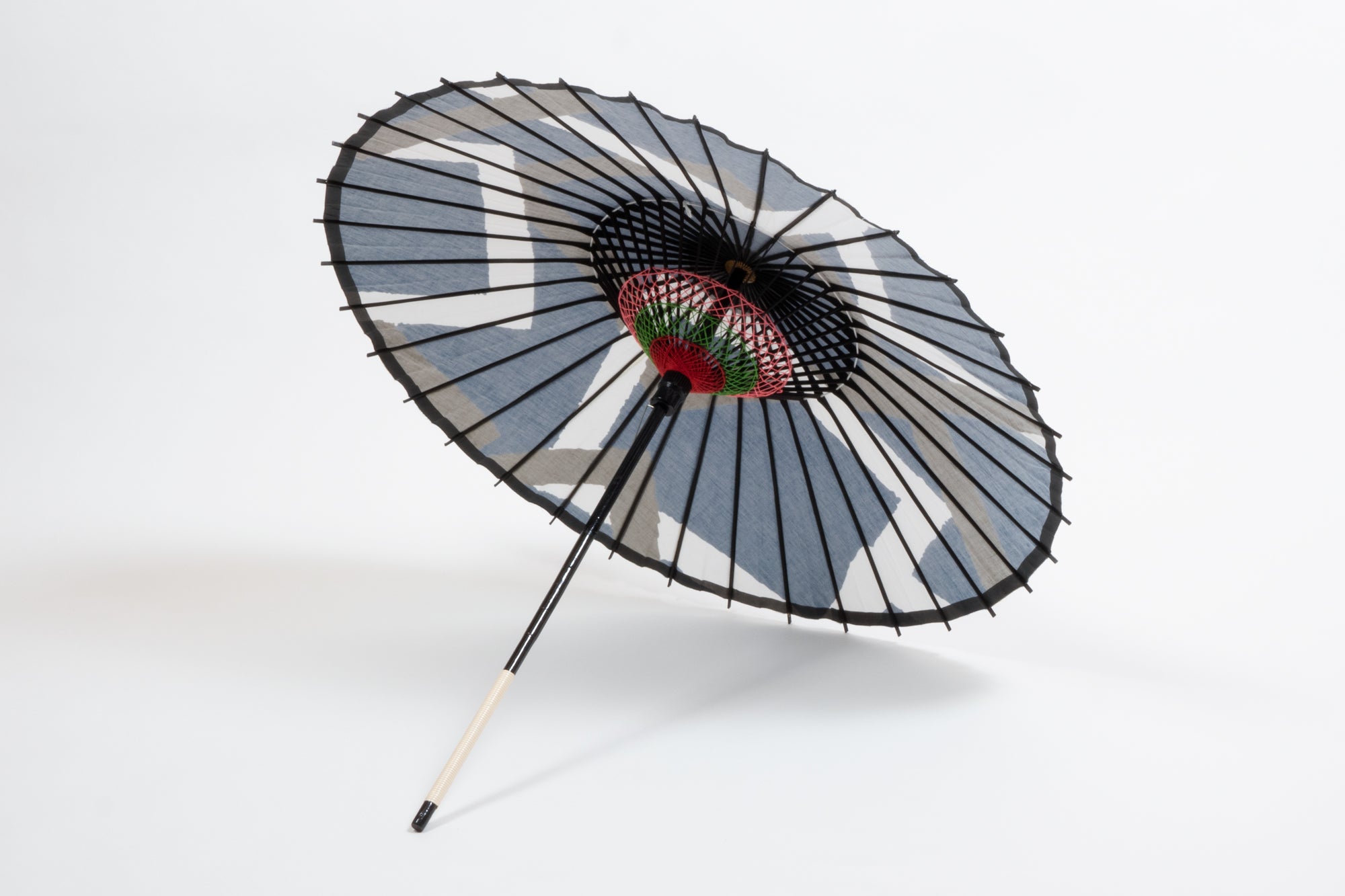
![SOU・SOU×Hiyoshiya Japanese parasol [Flowers]](http://shop.wagasa.com/cdn/shop/files/Hiyoshiya-Sousou-HanaOM-1.jpg?v=1750910003&width=1500)
![SOU・SOU×Hiyoshiya Japanese parasol [Flowers]](http://shop.wagasa.com/cdn/shop/files/Hiyoshiya-Sousou-HanaOM-2.jpg?v=1750910006&width=2000)