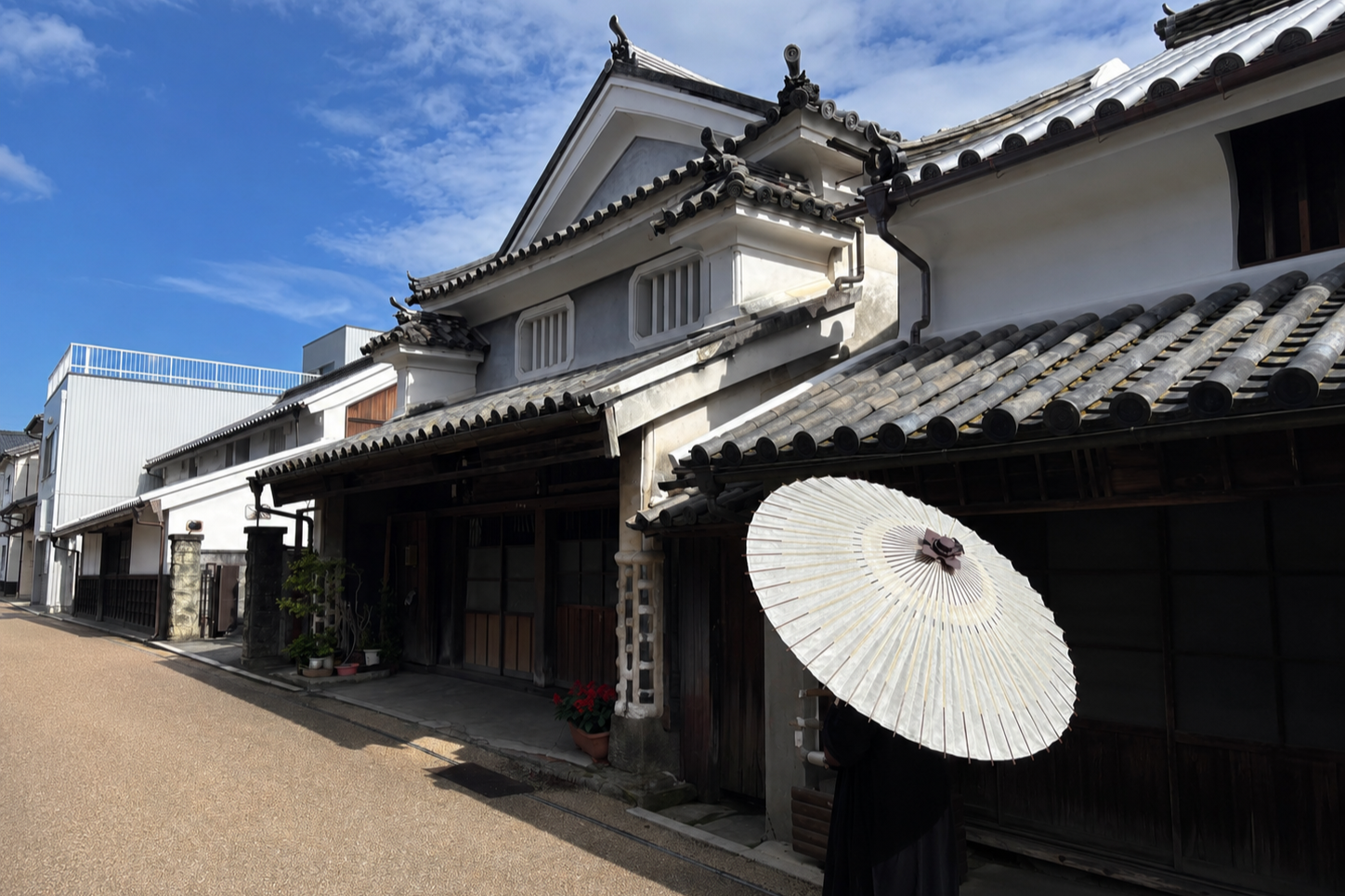

How to Use and Care for Your Wagasa (Japanese Umbrella)
At first glance, a wagasa might seem delicate or difficult to handle. Yet, in truth, these traditional umbrellas have long been cherished in daily life as simple, accessible tools for everyone. By understanding the natural qualities of materials like bamboo and washi paper, and by following a few easy tips, you can enjoy and preserve your wagasa for many years.
For those new to wagasa, it is natural to wonder how to hold it correctly and keep it in good condition.
This guide offers simple advice on how to handle your wagasa properly, along with essential care tips to help preserve its beauty for many years to come.
Opening Your Wagassa
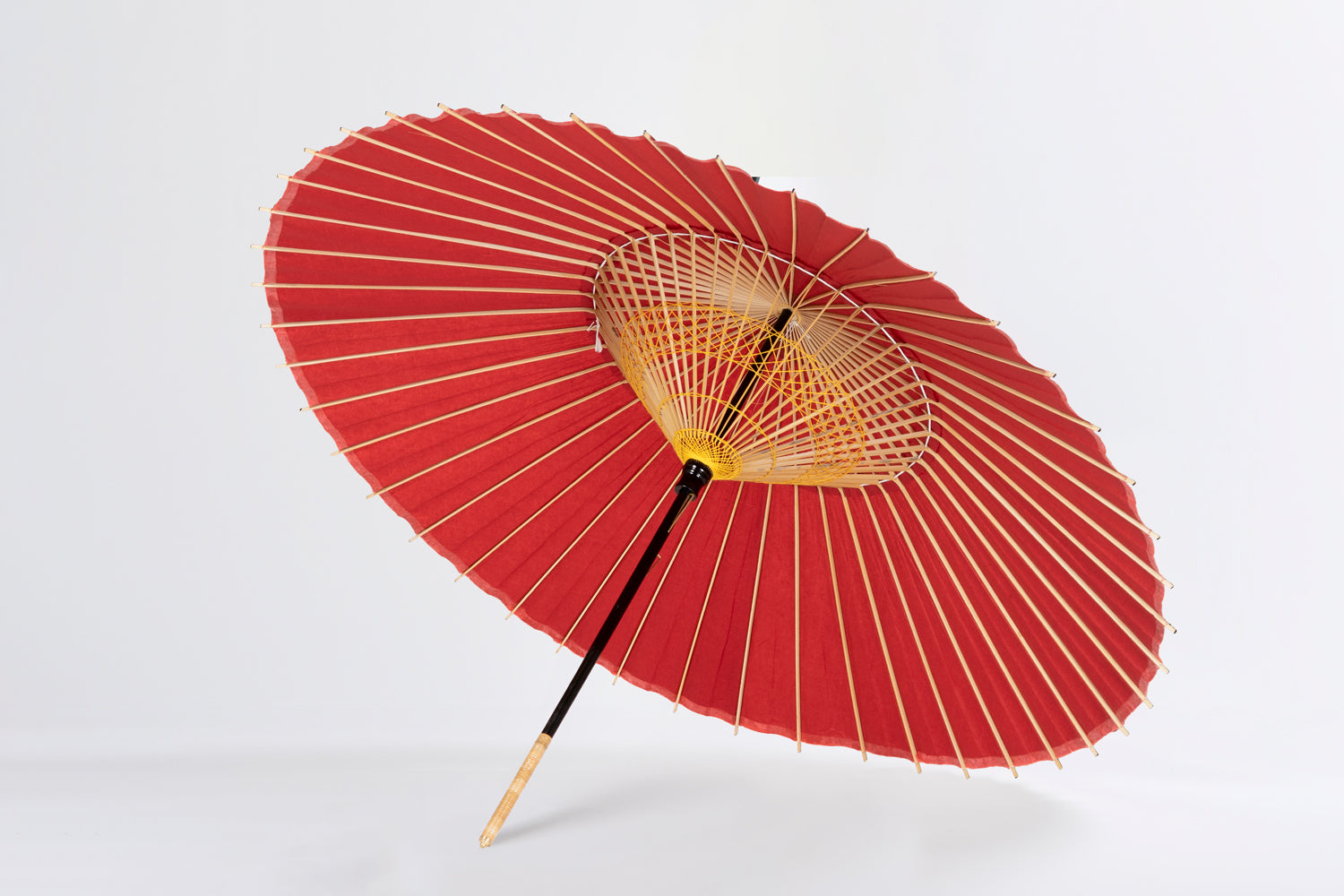
When opening your Japanese umbrella, hold the handle and tilt the top downward. Gently rotate the handle back and forth, allowing centrifugal force to help the canopy begin to unfurl naturally. Once the umbrella has partially opened, press the central runner and continue to open it slowly.

If you have not used your Japanese umbrella for some time, the oil may have hardened and the washi paper layers may stick together. Forcing it open can strain the frame and the paper, potentially causing damage. In such cases, gently shake the umbrella a few times to help it loosen naturally before opening it.
How to Close a Traditonal Japanese Umbrella (Wagasa)
To close the umbrella, press the latch and gently lower the runner. Once it is mostly closed, turn the umbrella so the tip is facing upward, and softly gather it from the outside with your hands to bring it together. As you do this, keep in mind the basic orientation: the tip should be up and the handle down.

How to Hold a Japanese Umbrella
Hold the wagasa with the top facing upward, using one or both hands.

If your umbrella has a carrying cord (sanadahimo) attached to the top, you can also carry it by that.

Avoid holding the umbrella by the shaft as this will turn the umbrella upside down and may cause it to open unintentionally.
Carrying it with the top upward helps maintain its elegant shape and prevents water from collecting around the central runner, so we recommend holding it this way.
How to Store Your Wagasa
After use, place your umbrella fully or half-open in a safe position with the handle facing down-ward to dry as soon as possible. 
Placing it upside down in an umbrella stand like a Western-style umbrella can damage the washi paper and trap moisture inside, leading to mold and corrosion. In addition, drying the umbrella while petals or other debris remain attached can cause stains and discoloration. Before drying, gently wipe the surface with a soft, dry cloth.
When Storing for a Long Period
We do not recommend keeping it in a box or bag for an extended period of time. If long-term storage is unavoidable, open it about once a month and let air circulate through it. As insects are fond of Japanese umbrellas, placing insect repellents or desiccants for clothing together with it will help keep it in relatively good condition. The oil may sometimes harden, making the umbrella difficult to open. In that case, gently warm it with a hair dryer before opening it slowly.
When It Gets Soaked in the Rain
If your Japanese umbrella becomes thoroughly wet from sudden rain, you may feel tempted to skate off the water, but please resist the urge. Doing so can put strain on the frame and the washi paper, which may cause damage. The paper is very delicate when wet. Also, avoid squeezing the top of the umbrella too hard. To help it dry faster, gently blot away the moisture with a soft cloth and let it air-dry.
Use of a Traditional Parasol (Higasa) in the Rain
Hiyoshiya’s wagasa are treated with a water-repellent finish, similar to that used for kimono fabrics, allowing it to withstand light rain. However, please note that our parasols (higasa) are primarily crafted for sun protection and not intended for frequent use in wet weather.
Use of the Nodate Umbrella in the Rain
Each Hiyoshiya nodate-gasa (traditional outdoor tea ceremony umbrella) is treated with a water-repellent finish using natural linseed oil, allowing it to withstand a light passing shower. However, please avoid exposing it to prolonged rain. If the umbrella becomes wet, dry it thoroughly by keeping it half-open, with the top facing upward, in a well-ventilated area. We also advise against use in strong winds, as this may cause the umbrella to topple or become damaged.
The Natural Color Evolution of Washi Paper
The washi paper used in Hiyoshiya’s wagasa gradually changes in tone over time. Ivory shades gently deepen into soft hues of yellow or brown. This natural aging process, known as ‘kareru’, is appreciated for the patina and depth the paper develops. Richer colors, such as red or purple, will gradually take on a more subdued, mellow appearance.
Repairs and Maintenance
Hiyoshiya wagasa require no regular maintenance or reapplication of oil. However, over time and with extended use, repairs or adjustments may occasionally be necessary. In such cases, please do not hesitate to contact us. We are always happy to assist, ensuring your umbrella continues to be cherished and enjoyed for years to come.

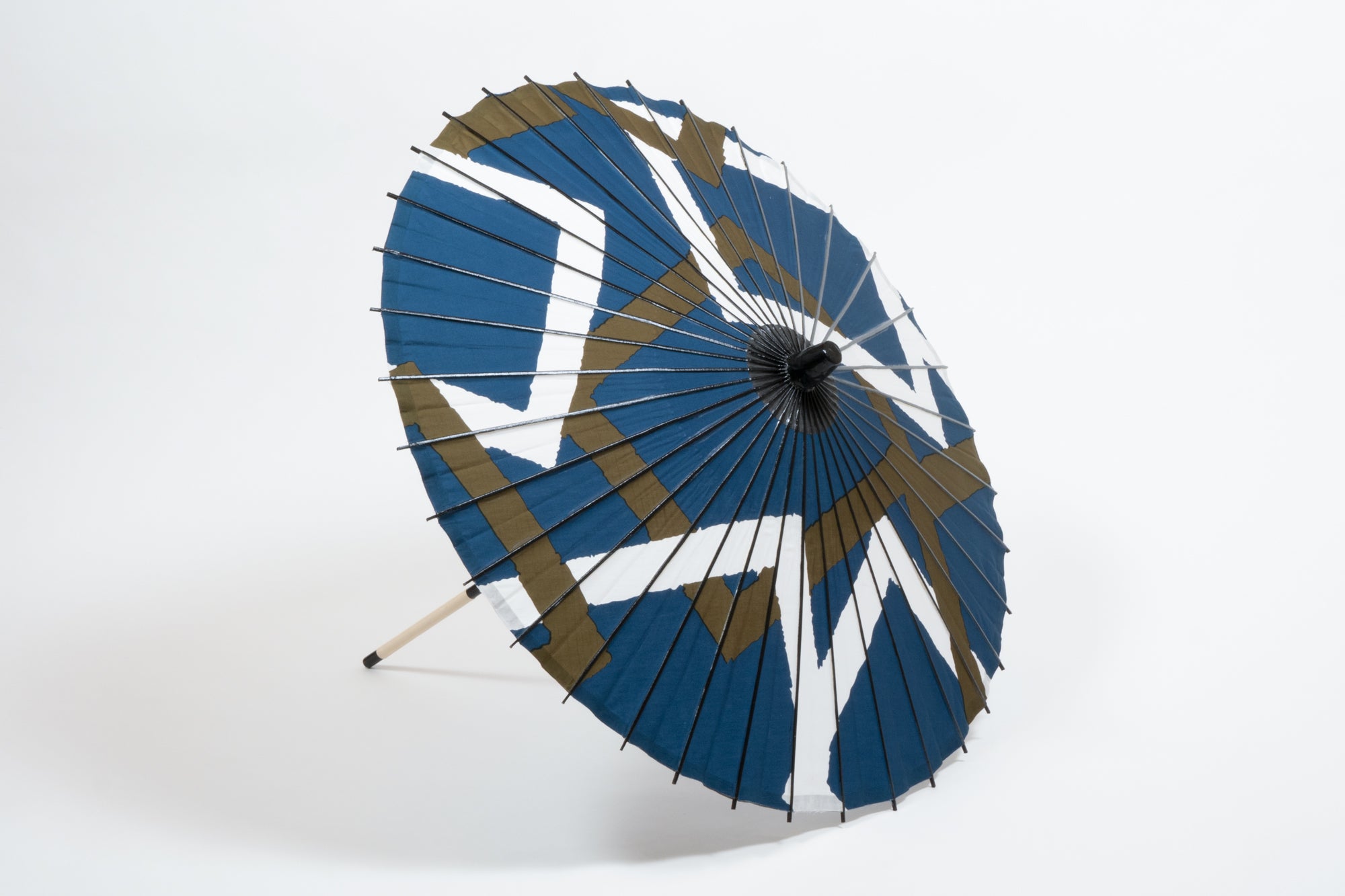
![SOU・SOU×Hiyoshiya Japanese parasol [Flowers]](http://shop.wagasa.com/cdn/shop/files/Hiyoshiya-Sousou-HanaOM-1.jpg?v=1750910003&width=1500)
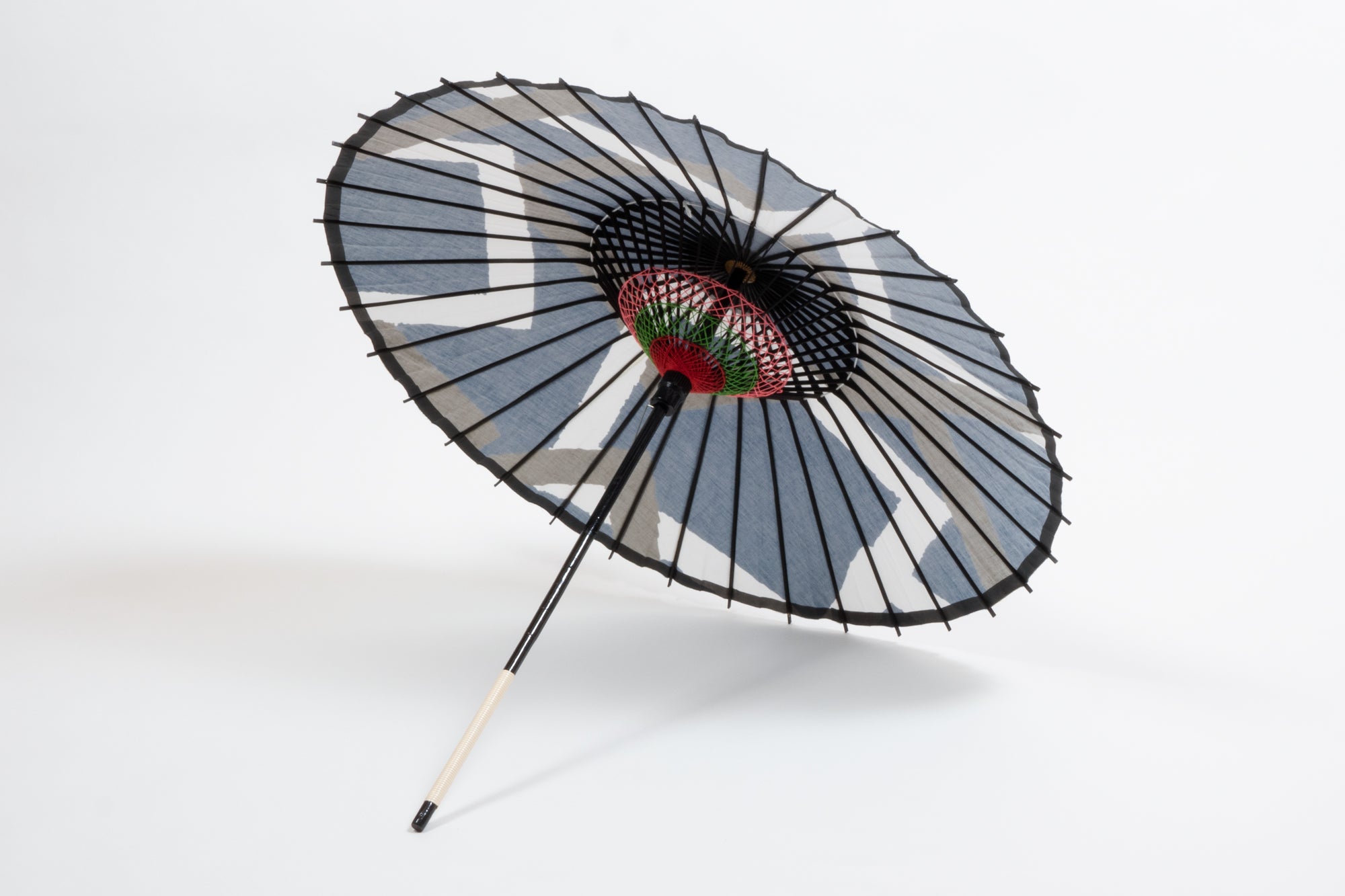
![SOU・SOU×Hiyoshiya Japanese parasol [Flowers]](http://shop.wagasa.com/cdn/shop/files/Hiyoshiya-Sousou-HanaOM-2.jpg?v=1750910006&width=2000)